Operating amateur radio in the field often means working in low-light conditions—early mornings before sunrise, late nights after sunset, or shaded locations deep inside parks. For Parks on the Air (POTA) activators and portable operators, lighting isn’t just a convenience—it’s essential gear.
In this article, Jim N4BFR interviews Trevor from Sol-Tac to talk about lightweight, practical lighting solutions designed specifically for outdoor and amateur radio use. The focus is simple: see what you’re doing without adding unnecessary weight or complexity to your go-kit.
The Lighting Challenge for Portable Ham Radio
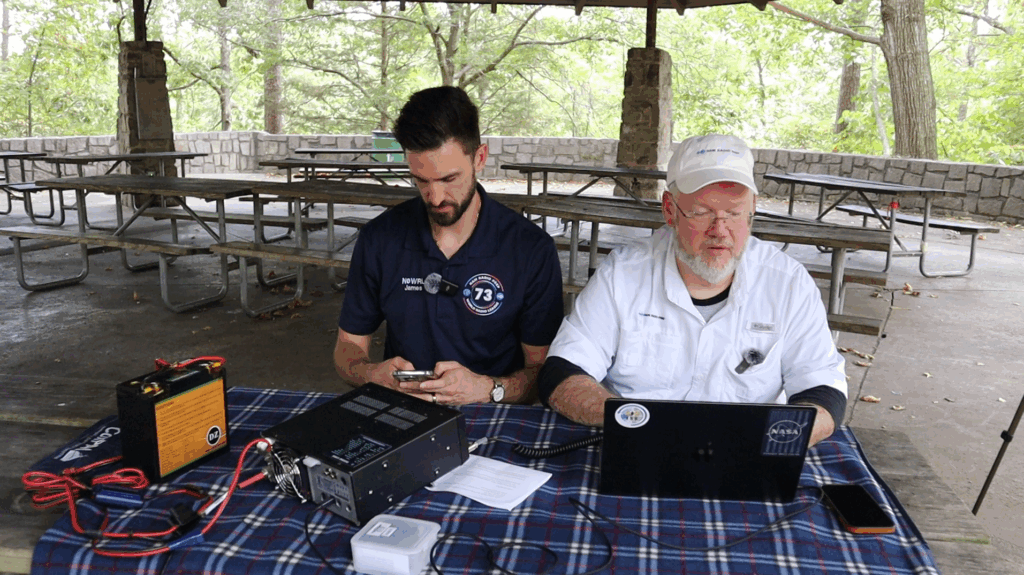
Portable ham radio setups already involve a lot of gear:
-
Radio
-
Battery
-
Antenna
-
Mast or support
-
Logging tools
It’s not uncommon for a POTA kit to weigh 20–25 pounds before lighting is even considered. Adding bulky or heavy lights quickly becomes a problem—especially when hiking into parks or operating for long periods.
The goal is efficient lighting that:
-
Keeps both hands free
-
Preserves night vision
-
Uses common, easy-to-replace batteries
-
Adds minimal weight and bulk
Hands-Free Lighting: Why Headlamps Are Essential
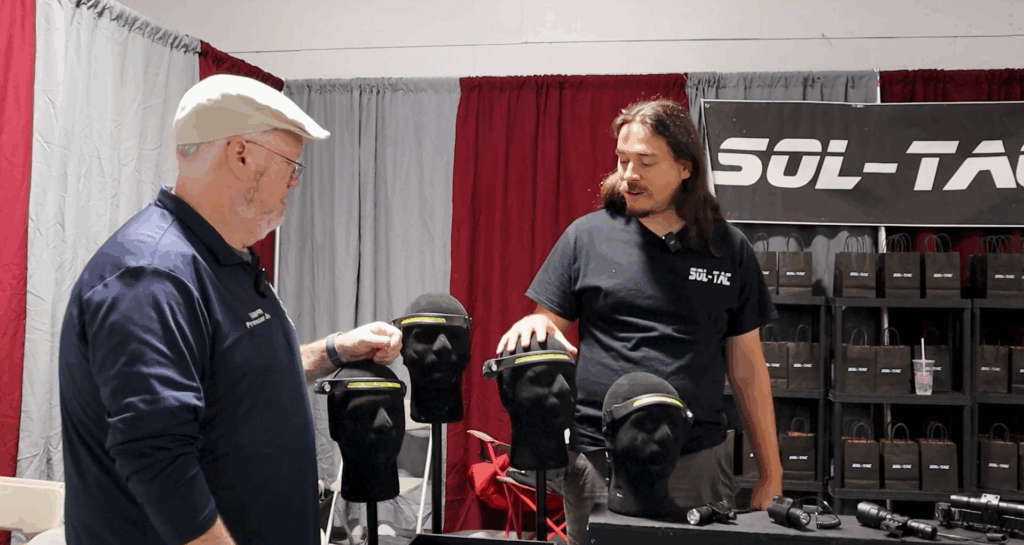
One of the biggest takeaways from the discussion is the value of hands-free lighting.
Slimline headlamps are ideal for portable ham radio because they:
-
Free your hands for radios, logging, and antennas
-
Provide direct forward light and task lighting
-
Pack flat and light in a go-kit
Unlike handheld flashlights, a headlamp lets you operate normally—tuning radios, writing logs, or adjusting cables—without juggling gear.
For POTA operators, this is especially useful during:
-
Early morning activations
-
Late-night tear-downs
-
Low-light winter operations
Compact Flashlights as Backup Lighting
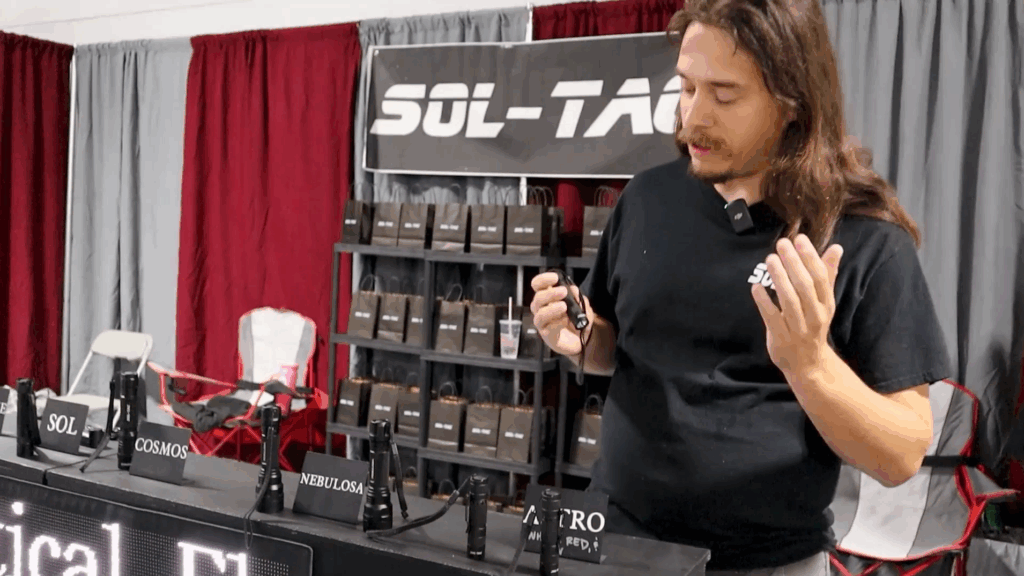
While headlamps are ideal for primary lighting, compact flashlights play an important backup role.
Trevor highlights small AA-powered flashlights, such as Sol-Tac’s Astro model, as excellent secondary or tertiary lights. These compact lights:
-
Easily clip to gear or fit in a pocket
-
Add almost no noticeable weight
-
Are reliable and simple to maintain
Why AA batteries matter
AA-powered lights are especially useful in the field because:
-
Batteries are widely available
-
You can carry spares easily
-
Dual-fuel options allow both rechargeable and disposable batteries
If a rechargeable battery dies unexpectedly, a quick battery swap keeps you operating without downtime.
Red Light: Protecting Night Vision and Being Considerate
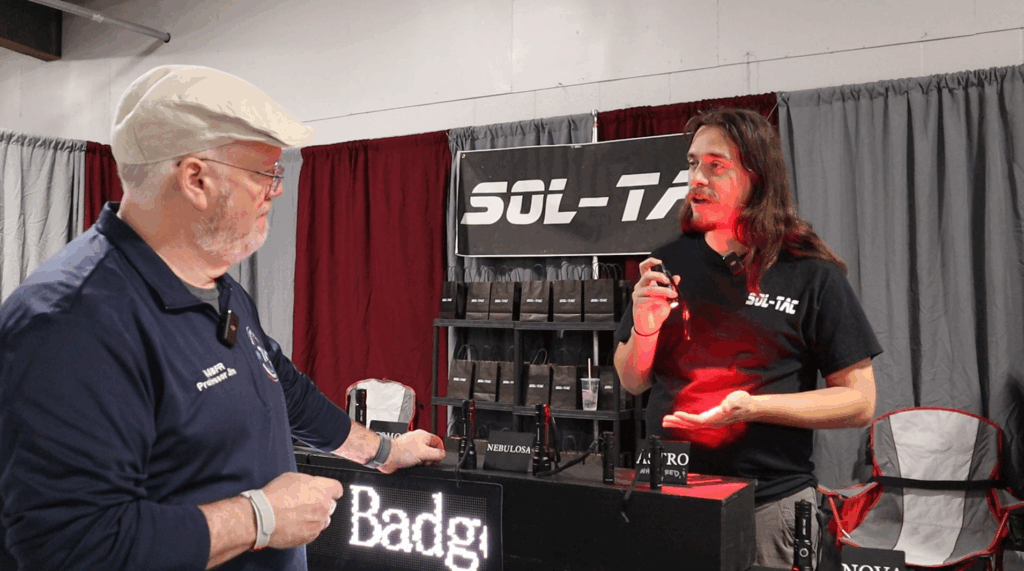
Red lighting is a must-have for serious portable operators.
Unlike bright white light, red light:
-
Preserves night vision
-
Makes it easier to read logs and radio screens
-
Reduces eye strain in dark conditions
-
Is less disruptive to nearby campers or park visitors
For operators activating parks early in the morning or late at night, red light keeps operations low-profile and respectful of shared spaces.
About Sol-Tac
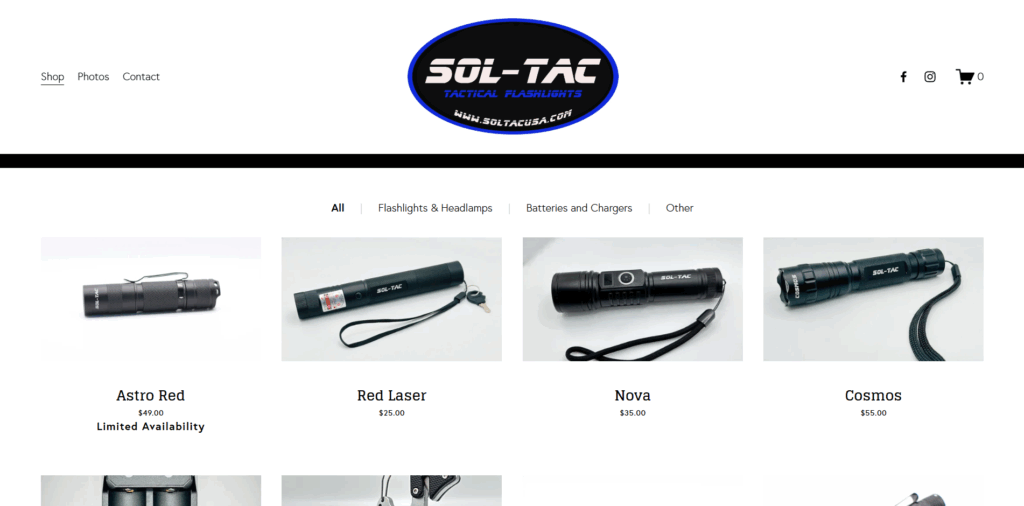
Sol-Tac was founded in 2020 with a focus on practical, lightweight lighting solutions designed for outdoor and technical users—including amateur radio operators.
Their product philosophy emphasizes:
-
Compact form factors
-
Lightweight construction
-
Field reliability
-
Simple power solutions
Sol-Tac products are well-suited for:
-
POTA and portable ham radio
-
Emergency communications kits
-
Go-bags and field kits
You can explore their full product lineup at https://www.soltacusa.com
Practical Field Tips for Portable Operators
A few simple habits can make a big difference during field operations:
-
Always carry spare batteries, even for rechargeable lights
-
Use multiple light sources (headlamp + flashlight) for redundancy
-
Keep lighting accessible—not buried in your pack
-
Test your lights before heading out
Preparedness is key. Losing light during an activation can bring operations to a halt faster than almost anything else.
Final Thoughts
Good lighting may not be the most exciting part of a ham radio setup—but in the field, it’s one of the most important.
By choosing hands-free headlamps, compact AA flashlights, and red light options, POTA operators can stay efficient, comfortable, and prepared without adding unnecessary weight to their kits.
Whether you’re activating a park at sunrise or packing up after dark, the right lighting setup makes all the difference.